


In the creation of a song or an album, there is a quiet, transformative moment where sound becomes story. This moment is audio mixing—and it is shaped by the hands and ears of a mixing engineer. Whether the music is recorded in a professional studio or captured in the solitude of a home setup, the mixing engineer refines the raw elements, carving space and balance until instruments and vocals coexist in perfect harmony across the frequency spectrum. It is here that lyrics rise clearly above the music, without stealing the magic of rhythm, melody, and movement.

Think of the first time you press play on a song you’ve never heard. Within seconds—long before the chorus arrives—you already know if it sounds right. Most listeners don’t wait for the melody to unfold or the lyrics to reveal their meaning. Those take time. Sound does not. A skilled mixing engineer understands this instinctive truth: that the ear decides before the heart catches up.
We all make snap judgments about sound. If a track feels captivating from the first breath, we stay. If not, we move on. That is why professional mixing matters—especially while an artist is still learning the craft. One of the greatest strengths of expert audio mixing is its ability to seize attention instantly, pulling the listener into the world of the song before they even realize it.
A mixing engineer is both technician and sculptor. Through years of practice and precision, they learn how to reveal the soul of a performance—how to intensify a vocal, highlight its vulnerability, or give it room to breathe. They know how to make drums hit harder, guitars shimmer wider, and synths explode with intention. Every sound has a place, and they know exactly where to put it.
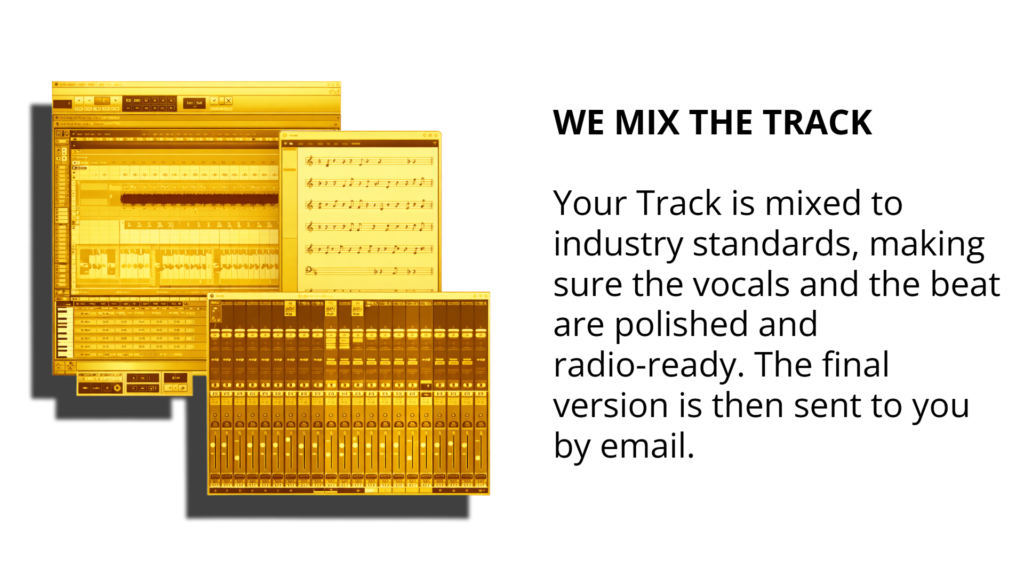
To bring a song to life, a mixing engineer carefully:
- Balances each track using EQ and compression
- Ensures a consistent, immersive stereo image
- Applies effects such as reverb and delay to create depth and space
- Shapes individual stems with precise EQ and dynamic control
- Corrects vocal pitch and applies high- and low-pass filtering throughout
In the end, mixing is not just about sound—it’s about impact. It’s the invisible force that turns a collection of recordings into a living, breathing experience.